

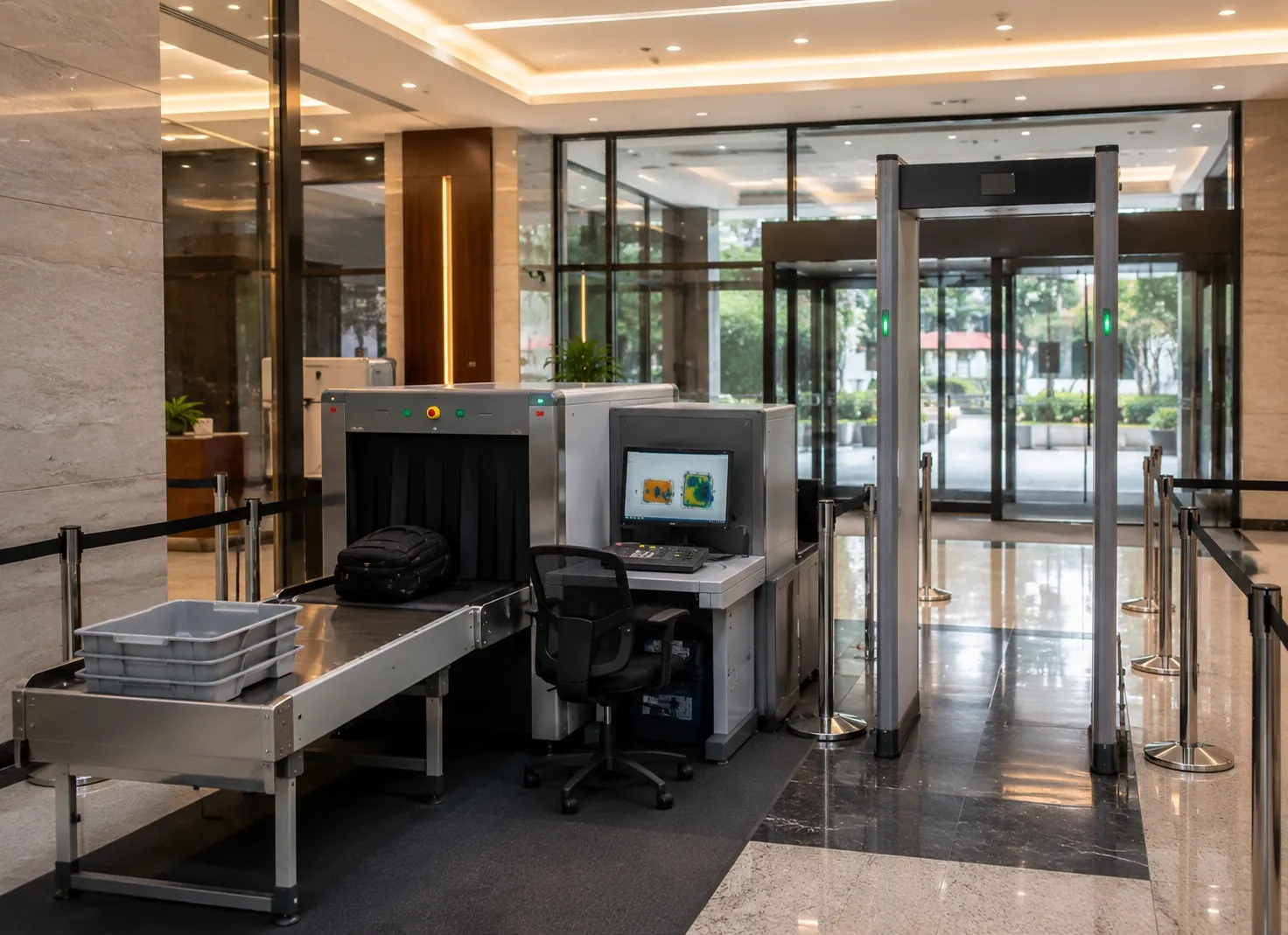
What security screening systems include
Security screening is the set of inspection systems that check people, baggage, vehicles and cargo for concealed weapons, explosives or contraband before they pass a controlled entry point. A complete screening scope covers the lane design, the detection equipment, the power and network each machine needs, integration with your access control and command centre, and the testing, licensing and operator training that let you put the system into service.
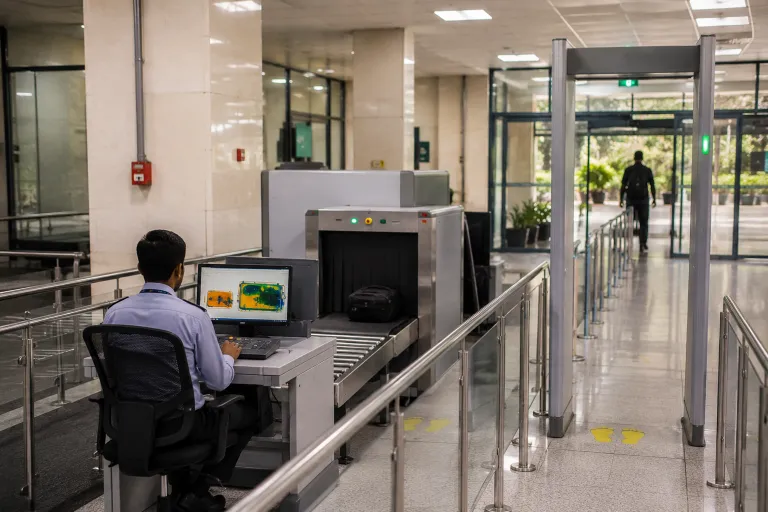
Threat survey & lane design
Entry-point survey, threat profile, throughput targets, and lane layout.
Detection equipment
X-ray baggage scanners, walk-through metal detectors, under-vehicle, body and cargo scanners matched to your risk.
Power & network provision
Dedicated power, network drops, and containment for every lane.
System integration
Access control, turnstiles, CCTV, and command-centre alarm handling.
Acceptance testing & licensing
Detection checks, radiation safety, and X-ray operating licence.
Handover & operator training
As-built records, test certificates, and operator and supervisor training.
The lane layout and detection specification are agreed before any equipment is ordered. Nothing is procured until the design and the licensing path are confirmed.
What goes wrong with security screening systems
Four failures that show up after the equipment is installed. Each one is preventable at design stage.
Technical specification
Security screening at Yakkaservices is designed around your threat profile and throughput, not a single product line. Equipment is selected by what each lane must detect, the bag or vehicle size it must handle, and the rate it must clear. X-ray baggage scanners use dual-energy imaging to separate organic from metallic materials so an operator can identify a concealed item. Every lane is acceptance-tested against defined test pieces and surveyed for radiation safety before it goes live.
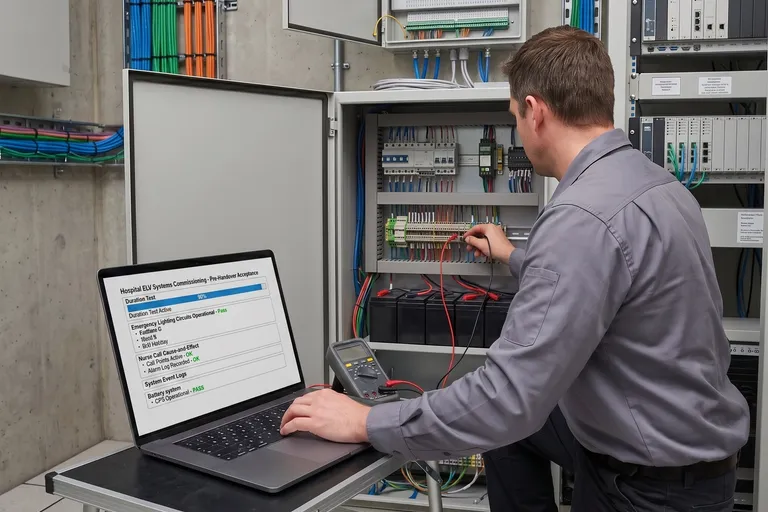
What affects the cost of security screening systems
The cost of a screening project varies with the number of lanes, the type of equipment in each lane, throughput and automation, civil and power readiness, integration depth, and licensing. A multi-lane airport checkpoint and a single-entrance office lobby sit at very different points, so a per-lane figure means little without a site survey.
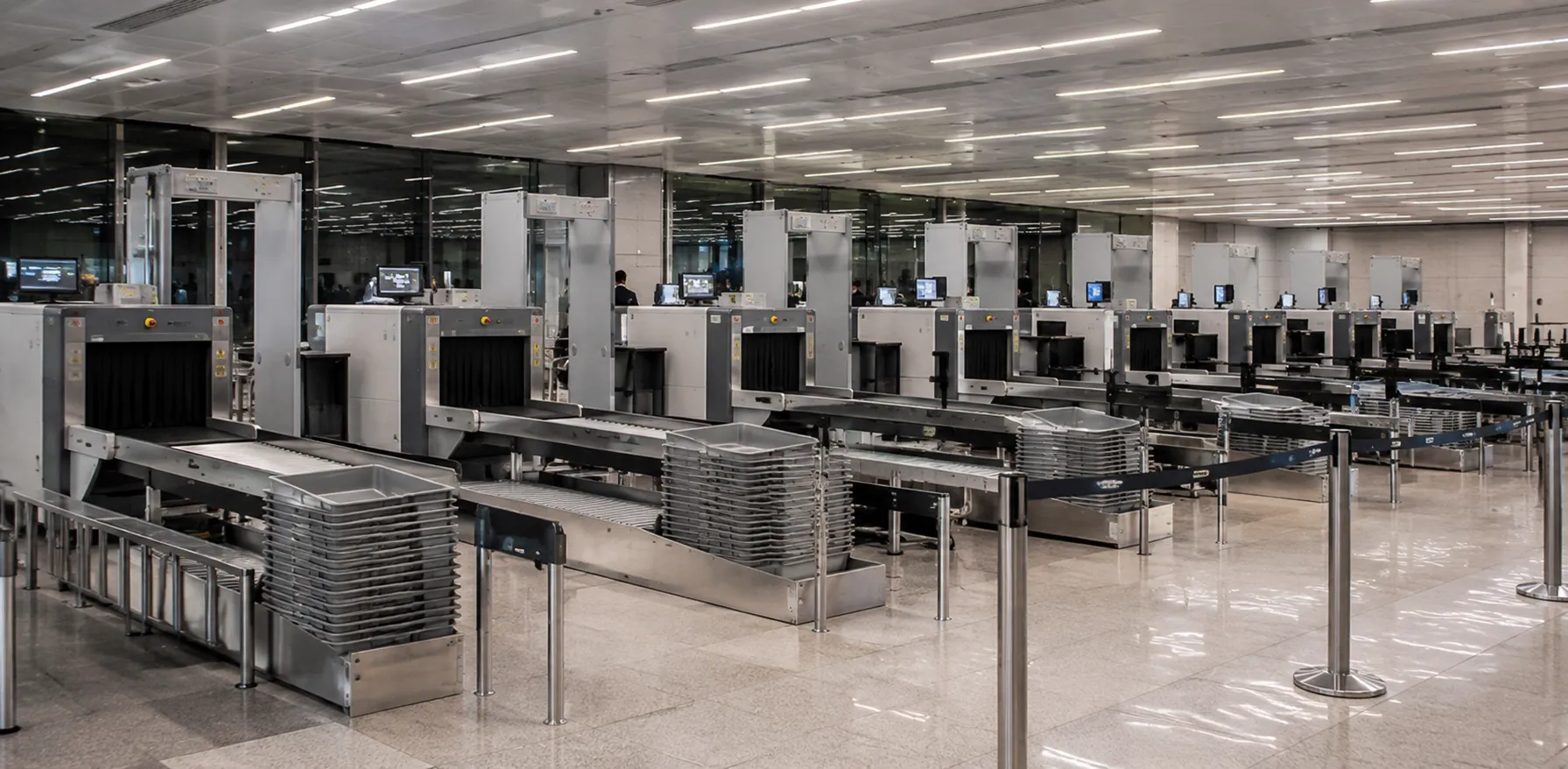

Walk-through detector, X-ray scanner or body scanner: what each entrance needs
The right method depends on what you are screening for and how fast people move through. Most controlled entrances combine more than one. The wrong single choice either misses a whole class of threat or builds a queue you cannot clear.
Most controlled entrances need a walk-through metal detector and an X-ray baggage scanner working as a pair. A body scanner is added where the threat justifies screening the person as well as the bag.
What other systems your screening connects to
Screening is rarely a standalone purchase. The lanes share power, network and a command centre with the rest of your security, and the value comes from how they connect. A screening scope that ignores those links creates coordination gaps during installation and blind spots after handover.
Access control & turnstiles
A clean screening result should be what releases the turnstile or door. Designed together, a person cannot pass the barrier until the lane clears them.
View security solutionsCCTV & command centre
Every screening alarm should be logged against camera footage and the exact entry point, giving your command centre the audit trail and the seconds needed to act.
View security solutionsStructured cabling & power
Each lane needs a dedicated power feed and a network drop back to your core. Leave them out of the cabling scope and they surface later as a variation order.
View structured cablingELV systems integration
Screening sits inside your wider extra-low-voltage estate alongside CCTV, access control and intercom. One integration scope removes the gaps between separate contractors.
View ELV systemsFrequently asked questions
The questions buyers ask about security screening systems before they specify a checkpoint.
When we are not the right choice
We will tell you directly when your project is not the right fit for us.
You need a single machine for one entrance
If you want one walk-through detector or one scanner bought off the shelf, a local equipment supplier will deliver it faster and at a lower cost. We focus on designed, integrated and licensed checkpoints, not single-machine sales.
Your tender is evaluated on lowest price only
We do not remove integration, acceptance testing or licensing support to match a lower number. A quote that leaves those out is a different scope, not a cheaper version of ours.
Your building has a preferred-vendor list we are not on
If your procurement requires an approved-vendor arrangement and we are not on that list, we cannot proceed. We will say so at the first conversation rather than run a tender that cannot result in an appointment.
You're a good fit if…
Your project is an airport, government building, hotel, logistics or high-traffic commercial site where screening is part of a larger security scope, you need it integrated with access control and a command centre, and you need it acceptance-tested and properly licensed before it goes live.
A screening design to test proposals against before you go to tender
A screening assessment gives you a lane layout, a throughput plan, the licensing path for your site, and a budgetary estimate built around your entry points, so procurement compares proposals that cover the same work.
Tell us about your project
Response within one business day. No obligation.
Related resources
Extra Low Voltage (ELV) systems overview
How scanning systems fit into the full ELV scope, alongside CCTV, access control, intercom and environmental monitoring.
View ELV systemsHow much does a security screening system cost?
A guide to lane count, equipment choice, licensing and what drives the figure up or down.
Coming soon